
Teeth grinding, medically known as bruxism, is a common condition that affects both children and adults, often without the individual being fully aware of it. Many people grind or clench their teeth unconsciously during sleep, while others do so during periods of stress or intense concentration. Over time, this repetitive muscle activity can lead to tooth wear, fractures, jaw pain, facial soreness, and temporomandibular joint (TMJ) disorders. One of the most overlooked consequences of bruxism is its strong association with chronic tension headaches and migraines, which can significantly affect a person’s quality of life. As dental and medical professionals continue to explore effective treatment options, Botox has emerged as a valuable tool in managing severe cases of bruxism and its related symptoms.
Traditional management of bruxism typically begins with conservative approaches. These include stress reduction techniques, behavioral therapy, occlusal splints or night guards, and lifestyle modifications such as reducing caffeine or alcohol intake. While these methods can be effective for many patients, they do not always address the underlying muscle hyperactivity responsible for teeth grinding. Some individuals continue to experience jaw tension and headaches despite consistent use of night guards, which mainly protect the teeth rather than relax the muscles themselves. In such cases, an alternative approach that targets the source of the problem may be necessary.
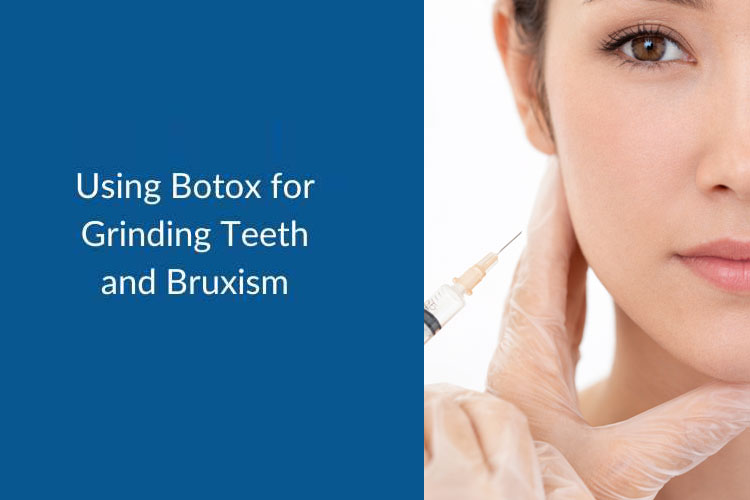
Botulinum toxin, commonly known as Botox, works by temporarily blocking nerve signals to targeted muscles, reducing their ability to contract forcefully. In the context of bruxism, Botox is typically injected into the masseter and sometimes the temporalis muscles, which play a major role in chewing and clenching. By decreasing excessive muscle activity, Botox helps limit the intensity of grinding without interfering with normal functions such as speaking, chewing, or facial expression. The treatment does not eliminate bruxism entirely but significantly reduces its damaging effects, making it particularly useful for patients with severe muscle overactivity.
One of the most significant benefits of Botox treatment for bruxism is its impact on associated headaches. Chronic clenching places constant strain on the jaw muscles and surrounding structures, which can trigger tension-type headaches and even exacerbate migraines. By relaxing these overworked muscles, Botox helps reduce muscle fatigue, inflammation, and referred pain to the head and neck. Many patients report a noticeable decrease in headache frequency and intensity within weeks of treatment, along with improved jaw comfort and reduced morning stiffness. This dual benefit makes Botox an attractive option for patients who suffer from both bruxism and chronic headaches.
Botox treatment for bruxism is generally considered safe when administered by trained dental or medical professionals with expertise in facial anatomy. The procedure is minimally invasive, usually taking only a few minutes, and involves little to no downtime. Mild side effects such as temporary soreness or swelling at the injection site may occur but typically resolve quickly. The effects of Botox are not permanent and usually last between three to four months, after which repeat treatments may be needed to maintain results.
In conclusion, Botox plays an increasingly important role in the management of teeth grinding and its associated headaches, particularly for patients who do not achieve adequate relief from conventional therapies alone. By directly targeting the muscles responsible for excessive clenching, Botox helps reduce dental damage, jaw pain, and chronic head pain while improving overall comfort and quality of life. When used as part of a comprehensive treatment plan, Botox represents a modern, evidence-based approach that bridges dentistry and neuromuscular therapy. As awareness and clinical experience continue to grow, Botox is likely to remain a valuable option in the long-term management of bruxism and its related complications.
Keywords: bruxism, teeth grinding, Botox for bruxism, chronic headaches, tension headaches, jaw pain, masseter muscle, temporalis muscle, night guards, TMJ disorders, facial muscle tension, dental Botox, clenching teeth