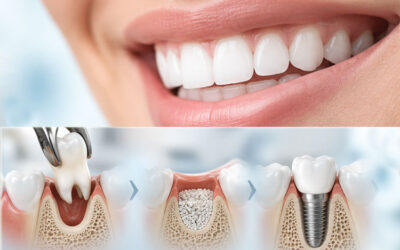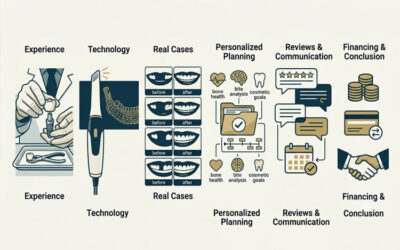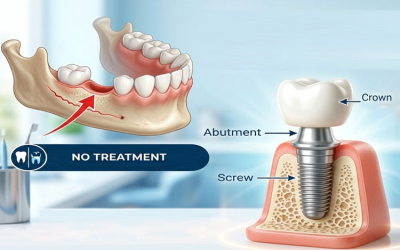

If you are considering a single tooth implant, it’s important to understand what the procedure entails and how to prepare for it. Dental implants have become the gold standard for tooth replacement due to their durability, natural appearance, and ability to preserve oral health. However, informed patients achieve the best results. Here are five key things to know before getting a single tooth implant to reduce risks and improve outcomes.
1. The Importance of a Thorough Dental Examination
Before any implant procedure, your dentist will perform a comprehensive dental and medical evaluation. This may include X-rays, 3D scans, and a review of your overall health. Certain conditions, such as uncontrolled diabetes or severe gum disease, can affect healing and implant success. Understanding your oral health and any potential risk factors allows your dentist to create a personalized treatment plan, increasing the chances of a smooth procedure and long-lasting results.
2. The Procedure Is Minimally Invasive but Requires Planning
While a single tooth implant is a surgical procedure, advances in dental technology have made it minimally invasive. The implant is placed in the jawbone under local anesthesia. Planning involves precise measurements and positioning to ensure proper alignment, bite function, and avoiding any critical structures. Patients should know that some procedures may involve bone grafting if there is insufficient bone density. Pre-surgical planning helps prevent complications and ensures the implant integrates seamlessly with your jaw.
3. Healing and Osseointegration Take Time
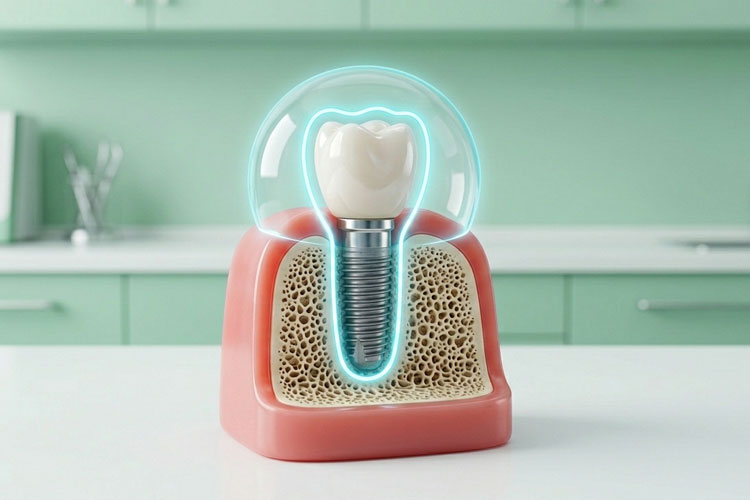
One of the unique aspects of dental implants is osseointegration, the process by which the titanium implant fuses with the jawbone. This can take several months, but it is essential for long-term stability and strength. During this time, patients should follow their dentist’s instructions carefully, maintain excellent oral hygiene, and avoid habits that could interfere with healing, such as Poor oral hygiene or Uncontrolled diabetes. Understanding the healing process can help manage expectations and ensure optimal results.
4. Maintenance Is Key to Longevity
A single tooth implant requires regular care, just like a natural tooth. Brushing twice daily, flossing around the implant, using a waterpik as directed, and attending routine dental checkups are critical for preventing infection or peri-implantitis. Unlike bridges, which can fail due to decay on supporting teeth, a well-maintained implant can last for decades. Patients should also be mindful of habits that can damage the implant, such as chewing hard objects or using teeth as tools.
5. Costs, Benefits, and Alternatives
While dental implants are an investment, their long-term benefits often outweigh the initial cost. Unlike partial dentures or bridges, implants do not require alteration of neighboring teeth and offer superior durability. Patients should discuss financing options and insurance coverage with their dentist. It is also helpful to understand alternatives and why a single tooth implant may be preferable in terms of comfort, appearance, and oral health. Being informed allows you to make a confident decision that aligns with your personal needs and budget.
Conclusion: Getting a single tooth implant can restore your smile, improve oral function, and protect your long-term dental health. By understanding the dental examination process, the surgical procedure, the healing timeline, maintenance requirements, and cost considerations, you can approach the treatment with confidence and clarity. Consulting with our experienced dental professionals ensures that your implant is placed correctly, functions naturally, and lasts for years to come.
Keywords: single tooth implant tips, dental implant procedure, osseointegration process, implant healing, bone grafting, implant maintenance, oral hygiene for implants, implant longevity, missing tooth solution, dental implant planning, implant costs, dental checkup guidance