
Losing a tooth can affect not only the appearance of your smile but also your overall oral health. While many people consider bridges, partial dentures, or even leaving the gap untreated, single dental implants offer unmatched benefits that make them the superior choice for replacing a missing tooth. Modern dentistry has proven that dental implants provide long-term durability, preserve surrounding teeth, and maintain proper bite function, ensuring both functional and aesthetic advantages.
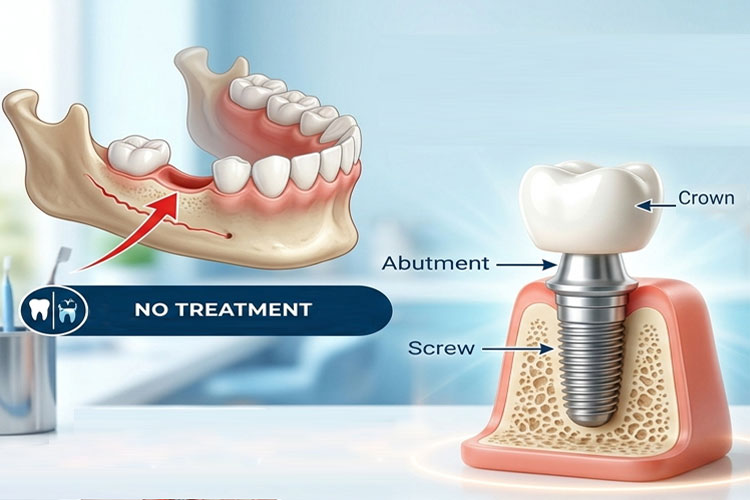
One of the most important reasons to choose a single dental implant is the long-term preservation of oral health. Unlike bridges, which require the preparation of adjacent teeth, or dentures that rest on the gums, a dental implant is anchored directly into the jawbone. This placement mimics the natural root of a tooth, which stimulates the bone during chewing and prevents bone resorption. Without stimulation, the jawbone can weaken over time, leading to a sunken appearance in the face, shifting teeth, and further oral complications. Scientific studies consistently show that implants help maintain bone density, which is critical for overall oral structure and facial aesthetics.
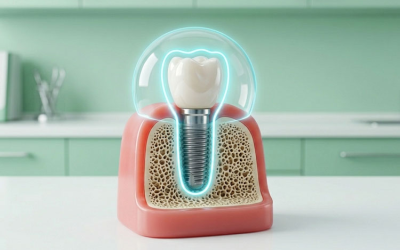
Durability is another major advantage of single dental implants. Implants are typically made from titanium, a biocompatible material that fuses with the jawbone through a process called osseointegration. Once integrated, the implant can last for decades with proper care, making it a permanent solution for tooth replacement. In contrast, bridges and dentures often need to be replaced every 5–15 years due to wear, gum changes, or damage. For patients seeking a long-term investment in their oral health, implants offer stability and reliability that other options simply cannot match.
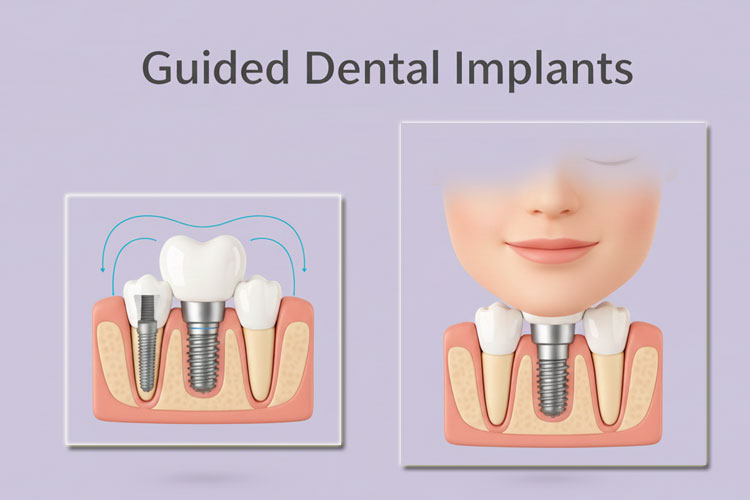
Another important factor is preserving the surrounding teeth in tooth replacement. Traditional bridges require adjacent healthy teeth to be filed down to support the bridge. This compromises otherwise healthy teeth, increasing the risk of decay or sensitivity. Partial dentures, on the other hand, may put pressure on neighboring teeth and gums, potentially causing discomfort or accelerated wear. Single dental implants avoid these issues entirely because they are self-supporting. They integrate directly into the jawbone and function independently, leaving neighboring teeth untouched and intact.
Another key benefit of single implants is bite stability and proper alignment. When a tooth is missing, surrounding teeth can shift into the gap, altering the bite and leading to malocclusion, jaw pain, or difficulty chewing. Over time, untreated gaps can result in excessive wear on other teeth, gum problems, and even temporomandibular joint (TMJ) disorders. A dental implant restores the missing tooth’s function, supporting proper bite mechanics and distributing chewing forces evenly across the jaw. This ensures not only comfort and function but also prevents long-term complications associated with tooth loss.
Aesthetic considerations also play a role in the choice of single implants. The implant supports a natural-looking crown that blends seamlessly with adjacent teeth. Unlike dentures, which may slip or require adhesives, implants provide a secure and lifelike replacement that looks and feels like a natural tooth. This boosts confidence, enhances speech, and allows patients to eat without concern.
In comparison, while bridges and dentures may initially appear less invasive or cheaper, they often require additional maintenance and may compromise oral health over time. Leaving the gap untreated may seem convenient, but the long-term consequences—bone loss, shifting teeth, bite problems, and facial changes—can be far more costly in both health and appearance.
In conclusion, single dental implants offer unmatched advantages for replacing missing teeth. They protect long-term oral health by preserving the jawbone, provide a durable and permanent solution, maintain the integrity of surrounding teeth, and support proper bite function. While alternative treatments like bridges or dentures may serve as temporary solutions, implants provide a comprehensive, scientifically backed approach that prioritizes both health and aesthetics. For anyone facing tooth loss, choosing a single dental implant is an investment in a healthier, more confident smile that can last a lifetime.
Keywords: single dental implant, missing tooth replacement, dental bridge vs implant, dentures vs implant, oral health, jawbone preservation, bite stability, tooth loss treatment, implant durability, osseointegration, preserving neighboring teeth, long-term dental solution